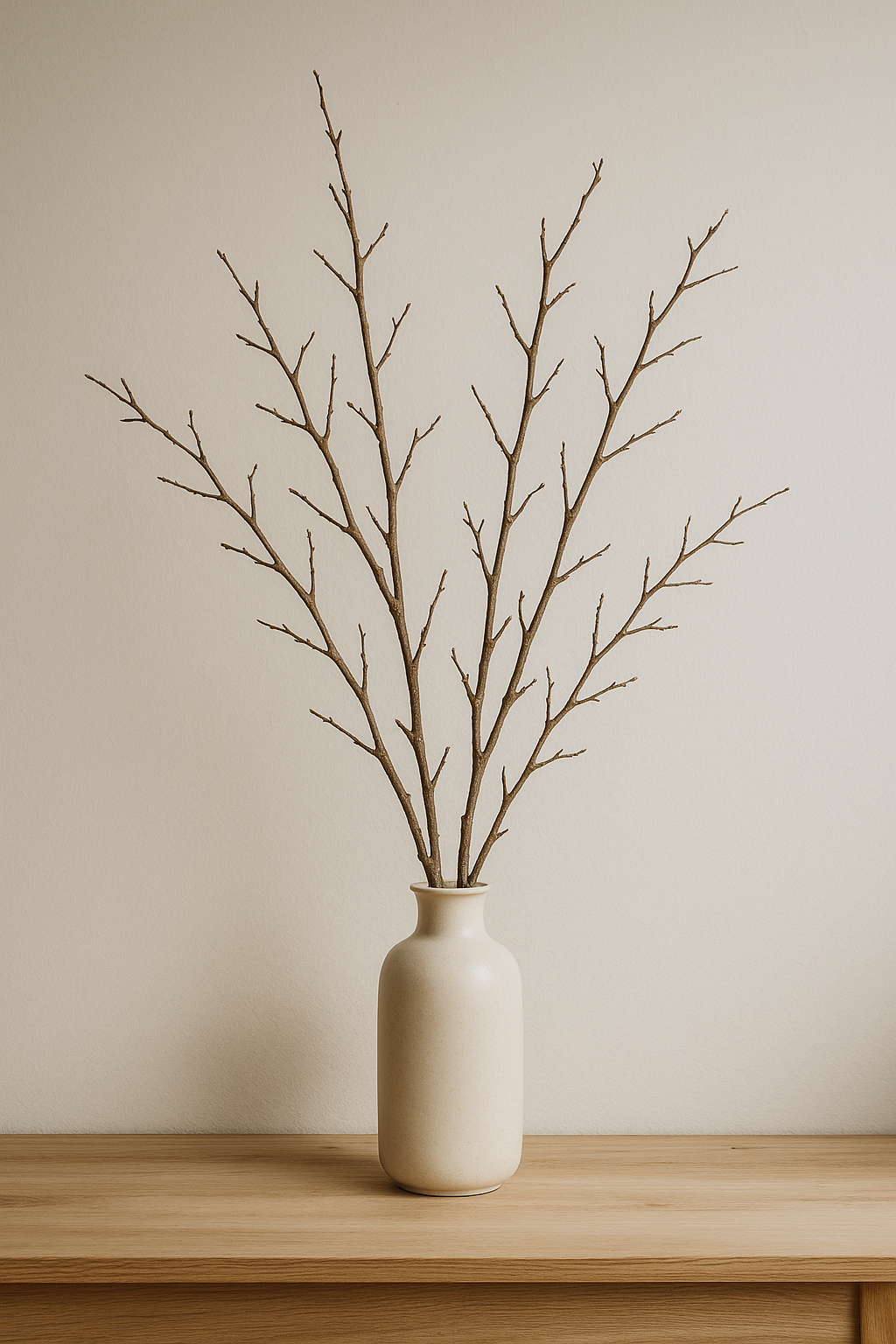
Pyntekvister have become a captivating trend in the world of interior decoration, blending simplicity, elegance, and nature-inspired beauty. Derived from the Norwegian words “pynte” (to decorate) and “kvister” (twigs or branches), pyntekvister refers to decorative twigs or branches used to enhance home aesthetics. These delicate yet striking design elements add an organic, timeless charm to any living space—whether it’s a contemporary apartment, a Scandinavian-style home, or a rustic cottage.
In this article, we’ll explore the many facets of pyntekvister, including what they are, how they can be used, where to find them, and how they reflect broader design trends that connect people to nature and simplicity.
What Are Pyntekvister?
Pyntekvister are decorative twigs or branches used as ornamental pieces in interior design. They can be real, dried twigs sourced from nature, or artificial versions made of materials like plastic, silk, or wire. Some are painted or enhanced with accessories such as LED lights, beads, feathers, or flowers.
Unlike traditional floral arrangements, pyntekvister often focus on structure, form, and natural textures. They can be displayed solo in a minimalist vase or woven into larger arrangements that suit seasonal themes and personal styles. Their versatility is unmatched—they can stand bare or adorned, horizontal or vertical, hung or grounded.
The Rising Popularity of Pyntekvister
The increasing popularity of pyntekvister is closely tied to global design movements like minimalism, biophilic design, and Scandinavian aesthetics. As more people seek calm, meaningful living environments, design elements that reflect nature have become essential. Pyntekvister offer a subtle yet powerful way to incorporate the outdoors into the home.
These twigs create visual interest without overwhelming the space. Their asymmetry, texture, and organic silhouette contrast beautifully with the clean lines and smooth surfaces of modern homes. In Scandinavian countries, where long winters and indoor living dominate, pyntekvister play a central role in seasonal decor and cozy environments.
Types of Pyntekvister
There are several types of pyntekvister, each serving a different decorative purpose:
Natural Pyntekvister
These are real twigs and branches collected from trees, often dried and preserved. Common choices include birch, willow, cherry blossom, eucalyptus, and pine. Natural pyntekvister bring authenticity and subtle scent into a room and are ideal for rustic and organic looks.
Artificial Pyntekvister
Artificial options are created using durable materials and often mimic natural branches or introduce imaginative styles. They are easier to maintain, reusable across seasons, and come in varied colors and textures. Artificial pyntekvister are perfect for contemporary spaces or for those who prefer long-lasting decor.
Decorative or Themed Pyntekvister
These twigs are enhanced with added decorative features like painted surfaces, faux snow, hanging ornaments, flowers, or string lights. Often used for holidays and events—like Christmas, weddings, or Easter—they add a festive or thematic flair to any interior.
How to Decorate with Pyntekvister
One of the greatest strengths of pyntekvister is their adaptability. Whether you favor bold arrangements or minimal decor, there are endless ways to use them creatively.
In Vases
Place tall pyntekvister in a ceramic or glass vase and let them stand as a centerpiece on dining tables, sideboards, or hallway consoles. They create vertical lines that draw the eye upward and add height to a room without clutter.
Wall and Hanging Displays
Attach pyntekvister to walls or hang them from the ceiling using transparent thread or hooks. Add small ornaments, paper crafts, or natural elements like pinecones for a floating art installation.
Seasonal Decor
For winter, use white-painted twigs with glitter or artificial snow. In spring, cherry blossom-style pyntekvister add freshness and charm. Autumn calls for earthy tones—orange, brown, and golden-hued branches with dried leaves or small pumpkins.
Table and Event Settings
Use pyntekvister as table runners or accents at weddings, dinner parties, and seasonal celebrations. Combine them with candles, ribbons, or glass elements to craft elegant and personal designs.
Window and Shelf Accents
Place small pyntekvister in jars or vessels on windowsills or open shelves. Their simplicity enhances light flow and frames views without blocking space.
DIY Pyntekvister: A Creative Home Project
If you’re inclined toward crafting, pyntekvister offer a fantastic do-it-yourself opportunity. Making your own allows for personalization and adds a layer of meaning to your home decor.
Materials you’ll need:
-
Twigs or branches collected from your garden or a nearby park
-
Paint (white, gold, silver, or pastel colors)
-
Decorative items (beads, string, feathers, small ornaments)
-
Glue or hot glue gun
-
Optional: clear sealant or varnish for durability
Steps:
-
Clean the branches and let them dry completely.
-
Spray or paint the twigs in your desired color. Let them dry fully.
-
Attach decorations using glue—be creative!
-
Arrange in a vase, hang on the wall, or lay them as part of a table centerpiece.
Creating your own pyntekvister is especially satisfying around the holidays, where you can involve family and make lasting memories.
Where to Buy Pyntekvister
Pyntekvister are widely available both online and in stores. Here are some typical sources:
-
Home Decor Stores: Shops like IKEA, H&M Home, Søstrene Grene, and Nille offer ready-made pyntekvister in various styles.
-
Florists and Garden Centers: Great for natural or seasonal options.
-
Online Retailers: Etsy, Amazon, and local Scandinavian webshops offer handmade and artisanal pyntekvister.
-
Craft Stores: Ideal for buying supplies if you want to create your own.
Prices vary depending on material, length, and embellishments, but both budget and luxury options are available.
Why Pyntekvister Suit Every Interior Style
No matter your home’s style, pyntekvister can be incorporated with ease:
-
Minimalist: Use bare twigs in neutral vases for subtle elegance.
-
Rustic: Combine with burlap, wood, and natural textures.
-
Modern: Choose metallic or geometric-styled artificial twigs.
-
Bohemian: Mix with feathers, beads, or dreamcatchers.
-
Scandinavian: Focus on simplicity, light wood, and seasonal integration.
They also pair beautifully with other natural materials like linen, wool, stone, and clay, making them highly adaptable to evolving trends.
Sustainable and Mindful Decor
In an age of conscious consumption, pyntekvister also align with sustainability values. Natural branches can be locally sourced, reused, composted, or recycled. Artificial ones, if chosen wisely, can be reused for years and reduce the need for fast-decor purchases.
Choosing pyntekvister supports mindful living—embracing nature, reducing waste, and celebrating the beauty of simplicity.
Read also: Spaietacle: The Future of Immersive Entertainment and Interactive Experiences
Final Thoughts
Pyntekvister are more than just twigs—they are a lifestyle statement. They reflect an appreciation for the natural world, an eye for minimalist beauty, and a desire to live harmoniously with the seasons. Whether you buy them or make your own, use them for daily decor or special events, pyntekvister have the power to transform your space into a serene and stylish sanctuary.
Their ability to suit all aesthetics, adapt through the year, and provide endless creative potential makes them an essential element in modern home decoration. If you haven’t tried using pyntekvister yet, now is the perfect time to explore their charm and bring a piece of nature indoors.